
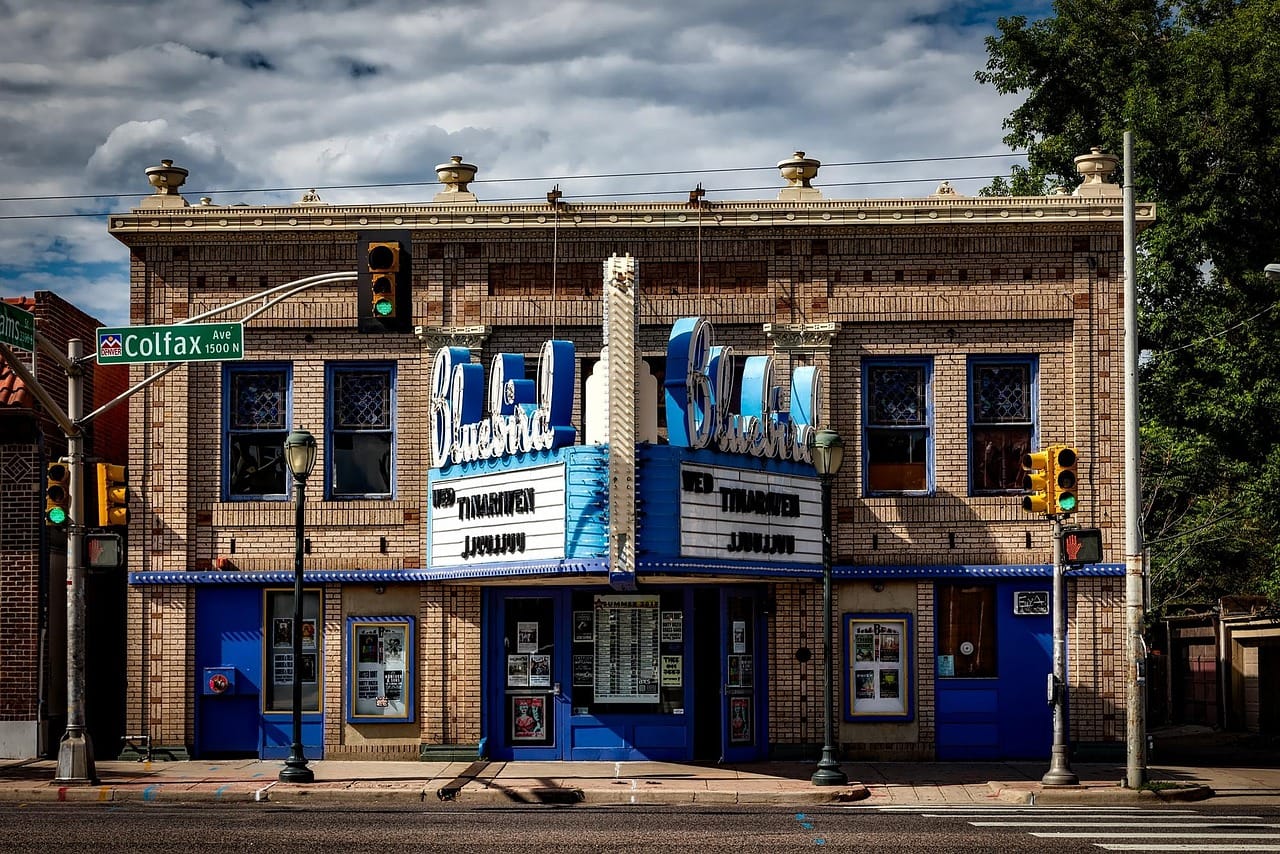
The cinema was supposed to close in March 2020. The owner had already printed the notice. Then the pandemic closed it for him, and by the time the doors could open again, something had changed. The town decided it wanted its cinema back.
Five years later the Regal, a 1930s single-screen picture house in a market town of 14,000 people, is busier than it has been in half a century. Its survival is a small story. It is also a blueprint.
A room nobody wanted
By the late 2010s, the Regal was a relic. The seats were broken, the roof leaked and the projector was a digital unit leased at a price the owner could no longer afford. Audiences had drifted to a multiplex twenty minutes away by car, and then to their sofas. On a typical weeknight, eight people watched a film in a room built for 600.
"I loved it, but it was killing me," says Graham Hale, who had run the cinema for twenty-two years. "I was paying to keep the lights on for eight people."
The town steps in
The rescue began with a letter to the local paper. A retired teacher wrote that she had had her first kiss in the Regal's back row and could not bear to see it become flats. Within a week, a public meeting had drawn 300 people. Within a month, a community benefit society had been formed.
The model was simple. Anyone could buy shares, from £20 upwards. Each shareholder got one vote, no matter how much they had put in. The money would buy the building from Hale at a fair price and fund the repairs.
We did not save it because it made sense. We saved it because it was ours.
Joan Pritchard, shareholder
Rebuilding the programme
Money was only part of the problem. The Regal also needed a reason for people to leave their houses. The new board, a mix of volunteers and two paid staff, rebuilt the programme from scratch.
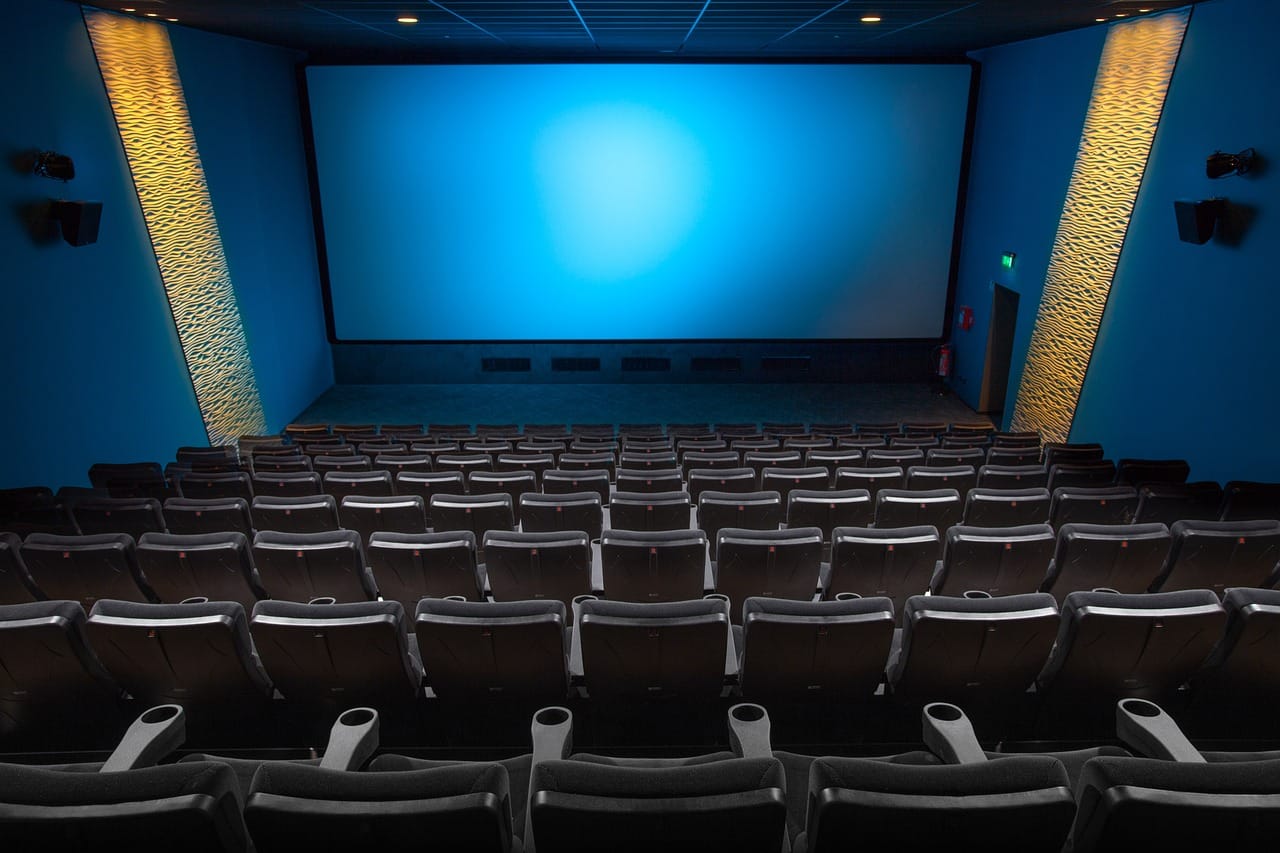
Blockbusters still run, but alongside them are things a multiplex would never show. A silent film night with a live pianist. A monthly screening for parents with babies, with the lights half up and the sound turned down. A dementia-friendly matinee with tea and cake. Midnight cult films for teenagers, who arrive in costume.


The numbers
Attendance has risen from around 11,000 a year before closure to more than 58,000. The cinema now employs nine people and relies on a rota of 120 volunteers. It has turned a small profit in each of the last three years, all of which goes back into the building.
Why it worked
Other towns have tried to save their cinemas and failed. The difference at the Regal, according to the people who run it, was an early decision to think of the building as a public space first and a cinema second.
"If you only sell film tickets, you are competing with every streaming service on earth," says the manager, Aisha Khan. "If you sell a place to be, with other people, you are competing with nothing. There is nothing else like it in town."
The restoration
The building work took fourteen months and cost just under £1.8 million, raised from shares, grants, a heritage lottery award and a very long list of cake sales. The biggest job was the roof, which had been leaking into the balcony for a decade. The second biggest was the seats. The original 1930s seats were beyond repair, so the society commissioned new ones in the same shape and the same deep red velvet, with a little more leg room.
Volunteers did a surprising amount of the work. A retired plasterer led a team that repaired the ceiling mouldings. A group of students from the local college restored the art deco light fittings as part of their course. A painter who had worked on the building as an apprentice in 1971 came back to repaint the proscenium arch in its original gold.
Lessons for other towns
The Regal's team now gets calls every week from other towns trying to save their own cinemas, pubs and theatres. Their advice is consistent.
- Start with the community, not the building. A building is only worth saving if people will use it.
- Make everyone an owner. Small shares build a big base of people who care.
- Be open about money. The Regal publishes its accounts every year in the foyer.
- Programme for everybody. The dementia matinee and the midnight cult screening matter as much as the blockbusters.
- Keep the bar open. A cinema that is only open for films is closed most of the day.
The last reel
On a Friday night in October, I watch a restored print of a 1950s musical with 340 other people. Half of them sing along. An elderly couple in the front row hold hands for the entire running time. When the credits roll, the audience applauds, as if the actors might hear.
Graham Hale is in the back row. He sold the building, but he still has a season ticket. "I thought I had failed," he tells me as the lights come up. "Turns out I just needed some help."